Lingual and labial frenectomy
A frenectomy is a surgical procedure that corrects abnormalities of the frenulum of the tongue or lip.
A lingual frenectomy treats restricted tongue movement caused by an abnormal frenulum, for example one that is too short (tongue-tie, ankyloglossia).
A labial frenectomy is performed to remove excess frenulum of the upper lip, which is often responsible for a diastema, or gap, between the upper central incisors.
Why perform a frenectomy?
A lingual frenectomy is indicated to improve tongue mobility, allow clearer speech and make certain oral functions easier (swallowing, resting position of the tongue against the palate, hygiene). In infants, a short frenulum can interfere with breastfeeding.
A labial frenectomy reduces or eliminates the diastema caused by an oversized frenulum. It is most often performed in coordination with the orthodontist, after the gap has been closed or during treatment. A lower lip frenulum that pulls on the gum can also be released to protect the periodontium.
Types of anaesthesia
A frenectomy is generally performed under local anaesthesia to numb the treatment area. In some cases, for example when combined with other treatments, it can be performed under general anaesthesia.
The frenectomy procedure
The procedure involves local anaesthesia, followed by a precise incision to adjust or remove the frenulum. The area is then sutured, if necessary, with resorbable stitches. Duration: 15 to 20 minutes.
Risks and complications
Complications of frenectomy are rare but may include minor bleeding, infection or delayed healing. Recovery is generally quick, with a return to normal activities shortly after the procedure. After a lingual frenectomy, partial recurrence (a scar that contracts) is possible if the mobility exercises are not practised.
Recovery day by day
Day 0
Minor bruising appears under the tongue or on the gum a few hours after the procedure and resolves within a few days.
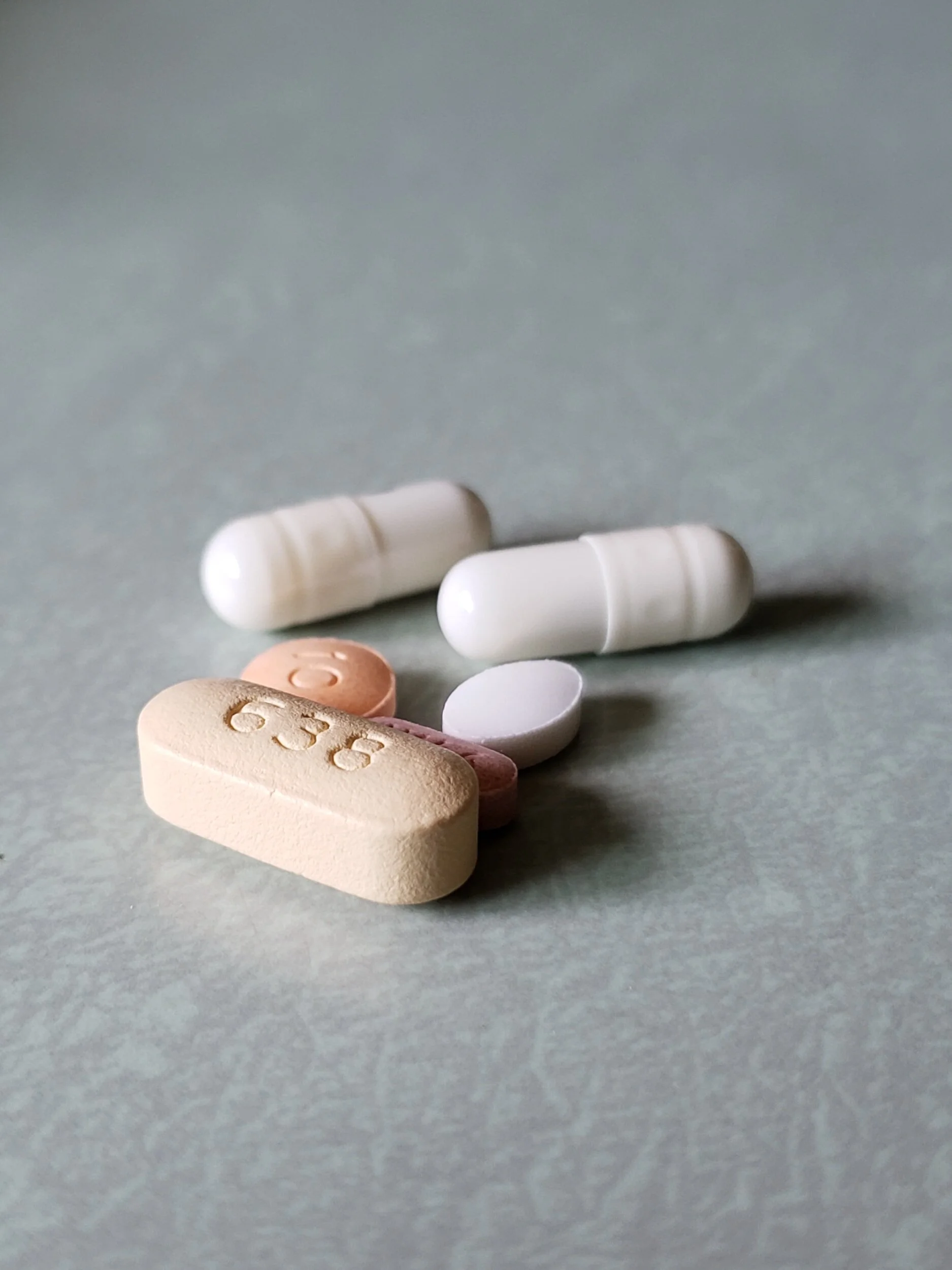
Very slight pain is common. It is relieved by the prescribed painkillers. The prescription is registered on your identity card and usually includes an antibiotic, an anti-inflammatory, a painkiller and a mouthwash; complete the course of antibiotics.
Do not smoke.
Gentle brushing from this evening, prescribed mouthwash from the first evening without force.
Diet: soft and cold or lukewarm until the next day. Yoghurt, fruit compote, smoothies, purée. Avoid acidic or spicy foods that sting the wound.
Days 1–7
Lingual frenectomy: tongue mobility exercises from the next day, 5 times a day: stick the tongue out forwards, lift it to the palate with the mouth open, move it from one corner of the mouth to the other, 10 times each. They prevent the scar from contracting.
Speech therapy: after a lingual frenectomy, close speech therapy follow-up is needed to retrain the position and movements of the tongue.
The stitches dissolve within one to two weeks.
Diet: normal but tender from day 2.
Days 7–14
Avoid intense physical activity for two weeks.
Complete healing in 2 to 3 weeks.
When to ask for a check-up
A quick check-up is possible without an appointment in case of: significant pain that increases after day 3; bleeding that does not stop after 30 minutes of pressure; fever.
FAQ — Frenectomy
At what age should a lingual frenectomy be done?
At any age, as soon as the frenulum interferes with a function: breastfeeding in infants, speech or swallowing in children, mobility in adults. A speech therapy assessment guides the indication.
When should a labial frenectomy for a diastema be done?
In coordination with the orthodontist, generally once the gap has been closed or while it is being closed, to prevent the frenulum from reopening it.
Is it painful?
Only slightly: discomfort for 2 to 3 days, mainly when speaking and eating after a lingual frenectomy.
Can the frenulum grow back?
Partial scar contraction is possible after a lingual frenectomy if the exercises and speech therapy are not followed. This is why close follow-up is needed.
Is a frenectomy reimbursed?
Yes, frenectomy is reimbursed by the INAMI/RIZIV (national health insurance).
Recovery
-
![Gonflement de la joue après frénectomie – suites opératoires]()
Swelling
Minor bruising appears under the tongue or on the gum a few hours after the procedure and resolves within a few days.
-
![Prise des antalgiques prescrits pour la douleur après frénectomie]()
Pain
Very slight pain is common. It is relieved by the prescribed painkillers.
-
![Micro – suivi logopédique de la parole et de la mobilité de la langue après frénectomie]()
Speech therapy
After a lingual frenectomy, close speech therapy follow-up is needed.
-
![Points de suture résorbables dans la bouche après frénectomie]()
Stitches
The stitches usually dissolve within two weeks.
-
![Alimentation molle et tiède recommandée après frénectomie]()
Diet
Keep to a soft, cold or lukewarm diet until the day after the procedure: smoothies, purées, pasta…
-
![Brossage doux et bain de bouche après frénectomie]()
Oral hygiene
Brush the teeth gently and use the prescribed antiseptic mouthwash gently from the first evening after the procedure.
-
![Médicaments prescrits après frénectomie : antibiotique, antalgique et bain de bouche]()
Medication
The prescription is registered on your identity card and usually includes an antibiotic, an anti-inflammatory, a painkiller and a mouthwash. It is recommended to take three tablets a day of each medication, ideally after meals. The course of antibiotics must be completed.
-
![Reprise progressive du sport après frénectomie]()
Physical activity
Avoid intense physical activity for two weeks, as it increases the risk of swelling.