Bone graft and sinus lift in Brussels – before dental implants
Building a solid bone base for a long-lasting implant
A dental bone graft is a surgical procedure that rebuilds insufficient bone volume in the jaw before an implant is placed. It is essential when bone has resorbed after an old extraction, an infection or prolonged tooth loss. This step ensures the stability, durability and full integration of the implant in the bone.
Pre-implant bone grafts are performed at several locations in Belgium:
Molière-Longchamp Hospital – Rue Marconi 142, 1190 Forest
Cabinet Médico-Dentaire Les Bons Villers – Chaussée de Bruxelles 798, 6210 Frasnes-lez-Gosselies
Why a bone graft before an implant?
Bone loss can have several causes:
old tooth extractions
chronic infections
advanced periodontitis
prolonged wearing of removable dentures
Using 3D imaging (CBCT scan), the bone volume is assessed precisely. When the bone is insufficient in height or width, a dental bone graft is proposed before (or sometimes at the same time as) implant placement.
Waiting time before the implant
After a bone graft, it is generally necessary to wait 6 months for complete consolidation before placing the implant. In some favourable cases, the graft and the implant can be done in a single procedure.
Once the implant is placed, an osseointegration period of 3 to 6 months is needed before the final prosthesis is fitted.
Bone grafting techniques used
The main techniques, chosen according to the area concerned and the bone volume to restore, are the following:
1. Maxillary sinus elevation (sinus lift)
Indication: lack of bone height in the back of the upper jaw, because of the proximity of the sinus.
Two techniques, chosen according to the remaining bone height:
Crestal sinus lift — when at least 5 mm of bone remains. The sinus membrane is lifted by a few millimetres through the implant drill hole, without a lateral opening; the graft material is placed through the same access and the implant is placed in the same session. Recovery is very mild, similar to a simple implant.
Lateral sinus lift — when less than 5 mm of bone remains. A small window is opened in the lateral wall of the sinus; the sinus membrane is gently lifted to create a space, which is filled with a bone substitute. A collagen membrane is placed to promote regeneration. The implant is placed in the same session if the remaining bone allows it, otherwise after 6 months.
Recovery: moderate discomfort for a few days, a feeling of pressure in the sinuses. It is important not to blow your nose for two to three weeks; sneeze with the mouth open, no flying or diving for two weeks.
2. Titanium mesh
Indication: significant bone loss requiring rigid support of the grafted volume.
Technique: a custom titanium mesh — designed on the 3D plan and printed to the exact dimensions of the defect — is positioned to hold the bone graft until it stabilises. It is removed when the implant is placed.
Recovery: mild discomfort, progressive healing under supervision.
3. Mandibular ramus bone graft
Indication: lack of bone height or width.
Technique: a block of bone is harvested from the back of the mandible (ramus area) and fixed with screws to the site to be rebuilt.
Recovery: moderate pain, managed with painkillers, and a feeling of tightness at the donor site.
4. Tent screw technique
Indication: reconstruction of severely resorbed areas, especially in height.
Technique: specific screws create a space under the gum. It is filled with a bone substitute and stabilised with a resorbable membrane. Published technique.
Recovery: moderate swelling and temporary discomfort. Predictable, reliable results in complex cases.
5. Ridge expansion (split technique)
Indication: a bone ridge too thin to receive an implant.
Technique: the bone is gently split and widened. The site is filled with particulate bone and protected by a membrane.
Recovery: localised discomfort, quick recovery in most cases.
Every situation is unique. The loss of one or more teeth requires a precise assessment of the available bone volume. A full work-up determines whether a bone graft is indicated before implant placement, to guarantee a stable, durable treatment suited to the clinical situation.
Recovery day by day
Day 0
Bite on the gauze for 30 minutes. Slight bleeding is normal until the next day.
Cold on the cheek (cold pack or ice pack wrapped in a cloth), most effective during the first two days.
Take painkillers before the anaesthesia wears off. The prescription usually includes an antibiotic, an anti-inflammatory, a painkiller and a mouthwash; the course of antibiotics must be completed.
Do not spit, do not rinse vigorously, do not drink through a straw.
Do not smoke for at least a week, ideally until consolidation: tobacco is the leading cause of graft failure.
Do not touch the area with your tongue or fingers. Do not wear a removable denture without prior agreement at the consultation (it often needs to be hollowed out by your dentist).
Sleep on your back, head raised.
Hygiene: gentle brushing of the other teeth from this evening, prescribed mouthwash from the first evening without force. Resorbable stitches: they fall out after about two weeks.
Diet: cold or lukewarm, no chewing. Yoghurt, fruit compote, smooth smoothies, lukewarm blended soup, purée, dessert cream.
Day 1
Swelling increases on days 1 and 2, more marked after a lateral sinus lift or a block graft (cheek, sometimes lower eyelid). Bruising is possible.
After a sinus lift: do not blow your nose, sneeze with the mouth open.
Diet: lukewarm, soft. Purée and flaked fish, scrambled eggs, vegetable purée with fromage frais, porridge, mashed banana.
Days 2–3
Swelling peaks, then decreases. A slight fever is possible.
Diet: soft. Pasta, risotto, omelette, fish, minced meat in sauce, custard. Chew on the opposite side.
Days 4–7
Pain clearly decreasing. Avoid alcohol and hot food and drinks during the following week.
Diet: tender. Rice, pasta, tender meat, cooked vegetables, sandwich bread.
Days 7–14
Check-up at 7–10 days to verify healing.
Avoid intense physical activity for two weeks, as it increases the risk of swelling; after a block graft, three weeks.
Diet: normal, without chewing on the grafted area for 4 weeks.
When to ask for a check-up
A quick check-up is possible without an appointment in case of:
significant pain that increases after day 3;
swelling that increases after day 3, fever above 38.5 °C, discharge;
exposure of the membrane, the mesh or the graft (a whitish or metallic appearance visible in the wound);
heavy bleeding that does not stop after 30 minutes of pressure.
FAQ — Bone grafts
Where does the graft bone come from?
Most often from a bank of processed, safety-tested human bone (allograft) or of bovine origin (xenograft), sometimes from your own jaw (autograft, ramus graft) for large defects. The choice is discussed at the consultation.
How long does a bone graft take?
From 45 minutes to 2 hours depending on the technique, under local anaesthesia or sedation as day surgery.
Crestal or lateral sinus lift: how to choose?
According to the bone height remaining under the sinus, measured on the scan: at least 5 mm, crestal approach; less than 5 mm, lateral approach.
What are the risks?
Exposure or infection of the graft (5 to 10%): the main risk. Treated with antibiotics and local care; part of the graft may be lost and require a top-up.
Perforation of the sinus membrane during a sinus lift: repaired during the procedure, without consequence in most cases.
Numbness of the lip or chin after harvesting from the ramus: rare and temporary.
Sinusitis after a sinus lift: rare, treated with antibiotics.
Is the graft reimbursed?
No, except for specific indications (sequelae of trauma, cyst, tumour). A written estimate is provided at the consultation.
Do I have to remove my removable denture after the graft?
Yes, for 2 to 3 weeks in most cases, or after your dentist has adjusted the denture so that it does not press on the operated area.
Recovery
-
![Gonflement de la joue après greffe osseuse et sinus lift – suites opératoires]()
Swelling
Minor bruising of the gum appears a few hours after the procedure and resolves within a few days.
-
![Prise des antalgiques prescrits pour la douleur après greffe osseuse et sinus lift]()
Pain
Very slight pain may be present. It is relieved by the prescribed painkillers.
-
![Points de suture résorbables dans la bouche après greffe osseuse et sinus lift]()
Stitches
The stitches usually dissolve within two weeks.
-
![Alimentation molle et tiède recommandée après greffe osseuse et sinus lift]()
Diet
Keep to a cold or lukewarm diet until the day after the procedure: smoothies, purées, pasta…
-
![Brossage doux et bain de bouche après greffe osseuse et sinus lift]()
Oral hygiene
Brush the teeth gently and use the prescribed antiseptic mouthwash gently from the first evening after the procedure.
-
![Médicaments prescrits après greffe osseuse et sinus lift : antibiotique, antalgique et bain de bouche]()
Medication
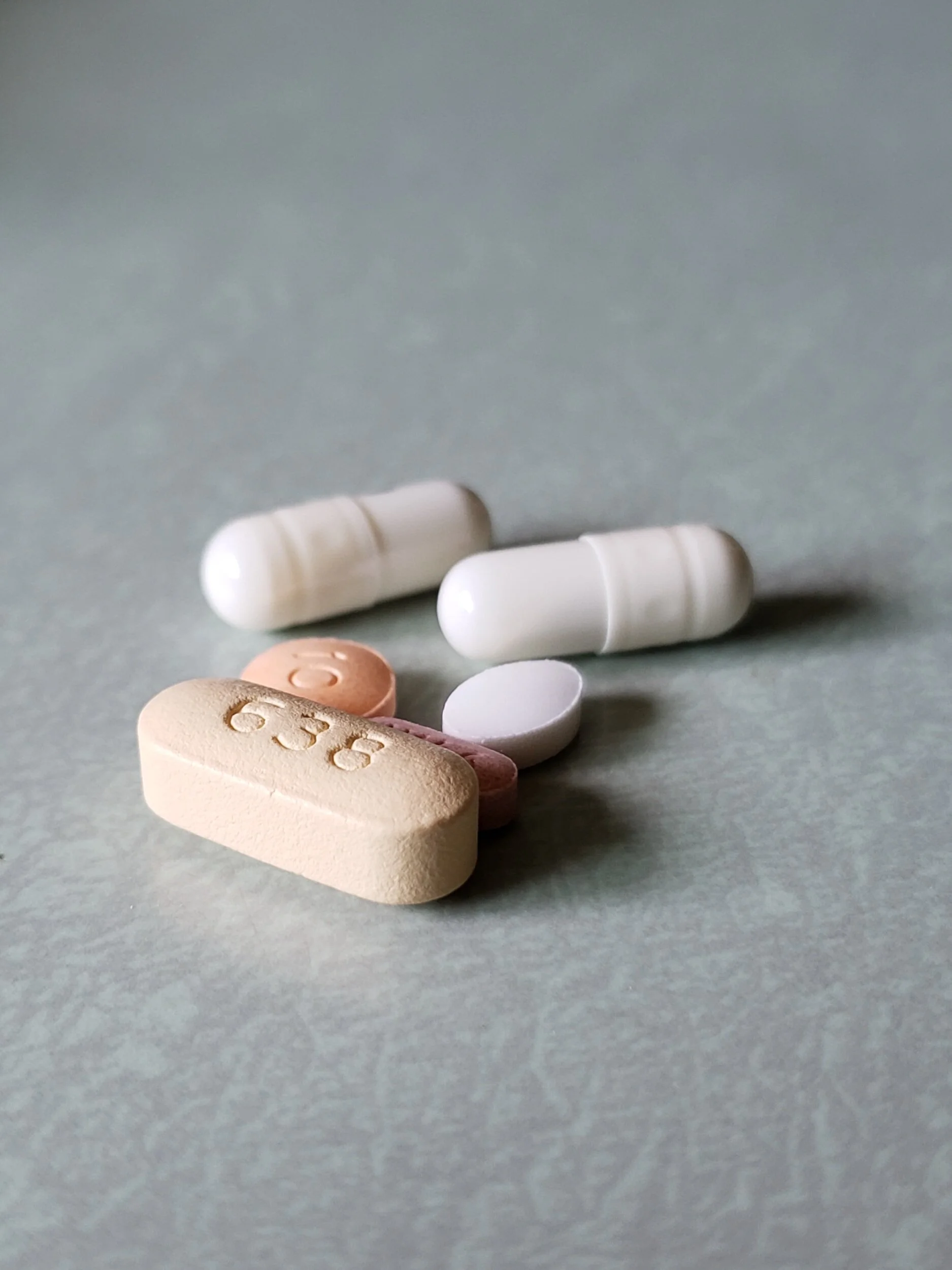
The prescription is registered on your identity card and usually includes an antibiotic, an anti-inflammatory, a painkiller and a mouthwash. It is recommended to take three tablets a day of each medication, ideally after meals. The course of antibiotics must be completed.
-
![Reprise progressive du sport après greffe osseuse et sinus lift]()
Physical activity
Avoid intense physical activity for two weeks, as it increases the risk of swelling.
-
![Restrictions après greffe osseuse et sinus lift : pas de tabac, pas d'alcool, pas d'aliments chauds]()
Restrictions
Avoid smoking, drinking alcohol and eating or drinking anything hot during the week following the procedure. If a sinus lift was performed, do not blow your nose for two weeks after the procedure, and avoid any effort such as blowing, sneezing hard or lifting heavy loads.