Dental implants in Brussels – Implantology and pre-implant surgery
The dental implant
An implant is a titanium screw inserted into the upper or lower jaw. It acts as an artificial root designed to support a crown, a bridge or a removable denture.
The procedure is performed under local anaesthesia, either at Molière Hospital in Brussels or at the medical-dental practice in Les Bons Villers. Sedation as day surgery is possible at Molière for long or multiple procedures.
After placement, the implant bonds to the bone over 3 to 6 months (osseointegration) before receiving the crown, bridge or denture, made by your dentist.
The implants used are the Dentsply Sirona and Nobel Biocare systems, two reference brands with the longest clinical track record.
Some situations call for particular precautions: heavy smoking, uncontrolled diabetes, or a history of bisphosphonate treatment or radiotherapy to the jaw. It is important to mention these at the consultation, as they change the way the procedure is planned and performed.
Guided implant planning and surgery
Thanks to digital technology, a 3D model of the jaw is first built from a CBCT scan and an intra-oral scan of the teeth. This makes it possible to plan precisely the orientation and position of the implants according to the surrounding anatomical structures (nerve, sinus, neighbouring teeth) and the future crown.
On this basis, a custom surgical guide can be designed and 3D-printed. This approach increases the precision of the procedure, limits post-operative discomfort and speeds up recovery.
How long do implants last?
Dental implants are a long-lasting solution. Unlike natural teeth, they are not susceptible to decay, but they can be affected by inflammation of the surrounding tissues (peri-implantitis).
Careful maintenance, combined with regular follow-up, keeps them stable over time. Thorough brushing, interdental brushes and an annual check-up with scaling at your dentist are essential. Smoking is the main risk factor for peri-implantitis.
Managing bone loss
When bone volume is lacking, a three-dimensional analysis identifies the areas to rebuild. Bone grafting techniques can then be considered to recreate adequate support for an implant.
You will be supported at every step, in a caring and professional setting.
Read more about bone grafts and sinus lift
Step by step
Consultation: clinical examination, CBCT scan, treatment plan agreed with your dentist, explanation of the procedure, the risks and the recovery, written estimate.
Procedure (30 to 60 minutes depending on the number of implants) under local anaesthesia, or under sedation as day surgery at Molière.
Osseointegration: 3 to 6 months.
Loading: the implant is uncovered and the crown or denture is made by your dentist.
There is no systematic check-up after placement unless you wish one; a quick check-up is possible without an appointment if you have any concern.
Recovery day by day
Day 0
Bite on the gauze for 30 minutes. Slight bleeding tinged with saliva is normal until the next day.
Cold on the cheek (cold pack or ice pack wrapped in a cloth), most effective during the first two days.
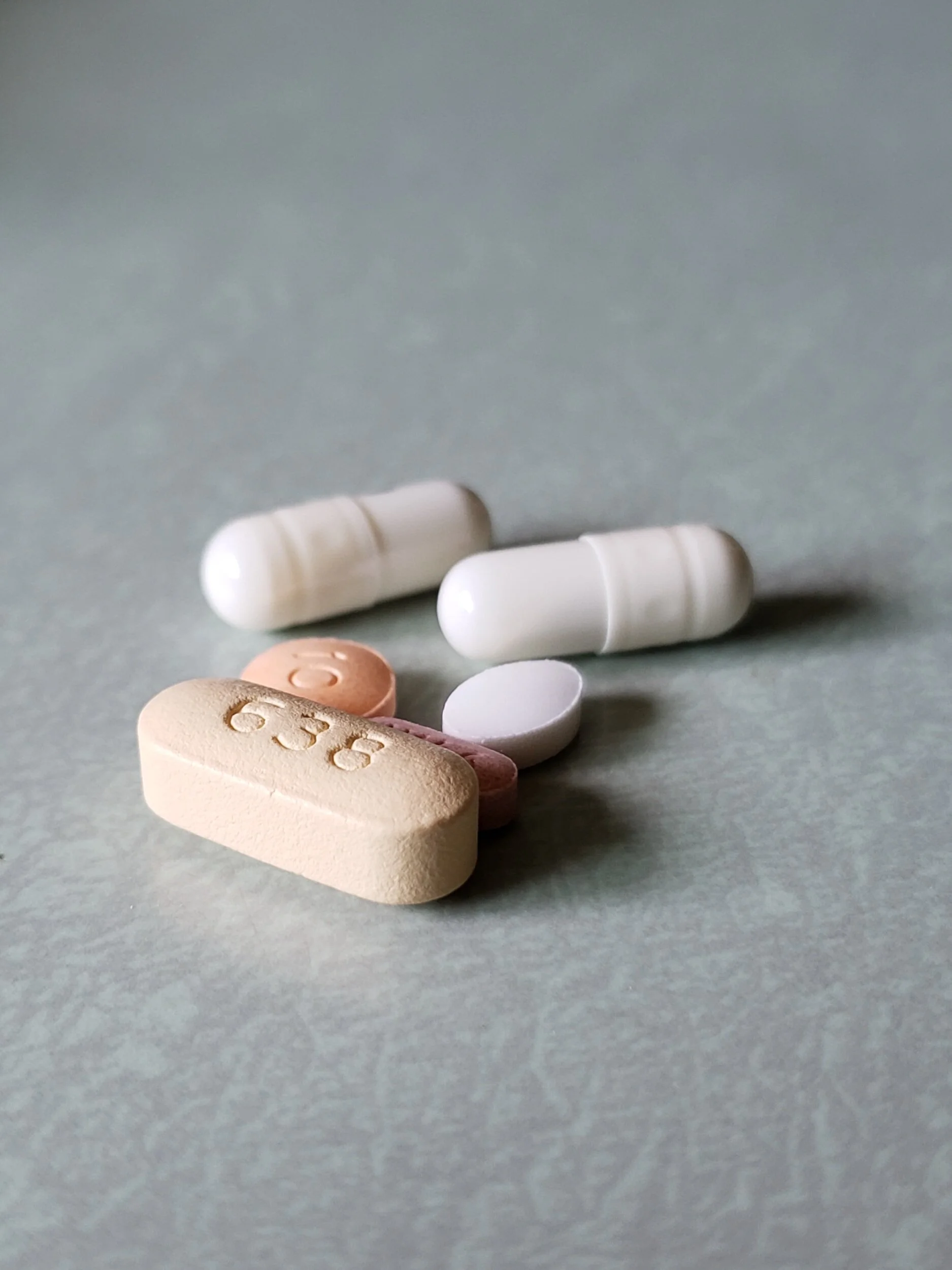
Take painkillers before the anaesthesia wears off, without waiting for pain. The prescription usually includes an antibiotic, an anti-inflammatory, a painkiller and a mouthwash; the course of antibiotics must be completed.
Do not spit, do not rinse vigorously, do not drink through a straw.
Do not smoke. Tobacco is the leading cause of implant failure: no cigarettes for at least a week, ideally until the implant is loaded.
Do not touch the area with your tongue or fingers. Do not put a removable denture back in without prior agreement at the consultation.
Sleep on your back, head raised on two pillows.
Hygiene: gentle tooth brushing from this evening, taking care with the stitches (resorbable, they fall out after about two weeks), prescribed antiseptic mouthwash from the first evening, without force.
Diet: cold or lukewarm, no chewing. Yoghurt, fruit compote, smooth smoothies, lukewarm blended soup, purée, dessert cream.
Day 1
Minor bruising appears on the gum and resolves within a few days. Swelling increases on days 1 and 2.
Very slight pain may be present; it is relieved by the prescribed painkillers.
Diet: lukewarm, soft. Mashed potato and flaked fish, scrambled eggs, vegetable purée with fromage frais, porridge, mashed banana.
Days 2–3
Swelling peaks, then decreases.
Gentle brushing avoiding the operated area, mouthwash after each meal.
Diet: soft. Pasta, risotto, omelette, fish, minced meat in sauce, custard. Chew on the opposite side.
Days 4–7
Pain clearly decreasing, painkillers reduced.
Avoid intense physical activity for two weeks, as it increases the risk of swelling.
Diet: tender. Rice, pasta, tender meat, cooked vegetables, sandwich bread.
Days 7–14
The stitches usually dissolve within two weeks.
Sport can be resumed on day 14.
Diet: normal, avoiding chewing directly on the implant until it is loaded.
When to ask for a check-up
A quick check-up is possible without an appointment in case of:
significant pain that increases after day 3;
swelling that increases after day 3, fever above 38.5 °C, discharge;
mobility of the implant or of the healing screw;
heavy bleeding that does not stop after 30 minutes of pressure.
Reimbursement and cost
In Belgium, implants are not reimbursed by the INAMI/RIZIV (national health insurance), except to stabilise a complete lower denture from the age of 70 (two implants, under conditions). Some supplementary dental insurance plans contribute partially. A written estimate is provided at the consultation; the crown or denture is the subject of a separate estimate from your dentist.
FAQ — Dental implants
Does implant placement hurt?
Not during the procedure, under local anaesthesia: you feel pressure and vibrations, not pain. Recovery is generally easier than after a wisdom tooth extraction.
How long between extraction and implant?
In some cases the implant is placed on the same day as the extraction (immediate implantation). Otherwise, 2 to 3 months after the extraction, or 6 months if a graft was needed.
How long before the final tooth?
3 to 6 months after implant placement. For a visible tooth, a temporary tooth can be placed during healing.
What is the success rate?
Above 95% at 10 years. The main causes of failure are smoking and uncontrolled medical conditions.
Can an implant be placed if I smoke?
Smoking doubles the risk of failure and of peri-implantitis. Stopping at least 2 weeks before and 8 weeks after the procedure is strongly recommended.
Which implant brand?
Dentsply Sirona and Nobel Biocare. These systems have been documented for several decades, and their prosthetic components remain available to your dentist in the long term.
What are the risks?
Failure of osseointegration (less than 5%): the implant does not bond and has to be removed; a new implant can be placed after healing.
Numbness of the lip or chin for lower implants close to the alveolar nerve: the 3D scan and guided surgery reduce this risk to a minimum.
Early infection: rare, treated with antibiotics.
Peri-implantitis in the long term: inflammation of the bone around the implant, prevented by hygiene and check-ups.
Is the implant compatible with MRI and airport security gates?
Yes, titanium is not magnetic.
Who makes the crown?
Your dentist, once the implant has healed. The treatment plan is established with them from the outset.
Where to consult
Molière Longchamp Hospital, Rue Marconi 142, 1190 Forest — 02 432 81 90
Cabinet Médico-Dentaire Les Bons Villers, Chaussée de Bruxelles 798, 6210 Frasnes-lez-Gosselies — 0493 98 00 73 — on Wednesdays
Recovery
-
![Gonflement de la joue après pose d'implants dentaires – suites opératoires]()
Swelling
Minor bruising of the gum appears a few hours after the procedure and resolves within a few days.
-
![Prise des antalgiques prescrits pour la douleur après pose d'implants dentaires]()
Pain
Very slight pain may be present. It is relieved by the prescribed painkillers.
-
![Points de suture résorbables dans la bouche après pose d'implants dentaires]()
Stitches
The stitches usually dissolve within two weeks.
-
![Alimentation molle et tiède recommandée après pose d'implants dentaires]()
Diet
Keep to a cold or lukewarm diet until the day after the procedure: smoothies, purées, pasta…
-
![Brossage doux et bain de bouche après pose d'implants dentaires]()
Oral hygiene
Brush the teeth gently and use the prescribed antiseptic mouthwash gently from the first evening after the procedure.
-
![Médicaments prescrits après pose d'implants dentaires : antibiotique, antalgique et bain de bouche]()
Medication
The prescription is registered on your identity card and usually includes an antibiotic, an anti-inflammatory, a painkiller and a mouthwash. It is recommended to take three tablets a day of each medication, ideally after meals. The course of antibiotics must be completed.
-
![Reprise progressive du sport après pose d'implants dentaires]()
Physical activity
Avoid intense physical activity for two weeks, as it increases the risk of swelling.